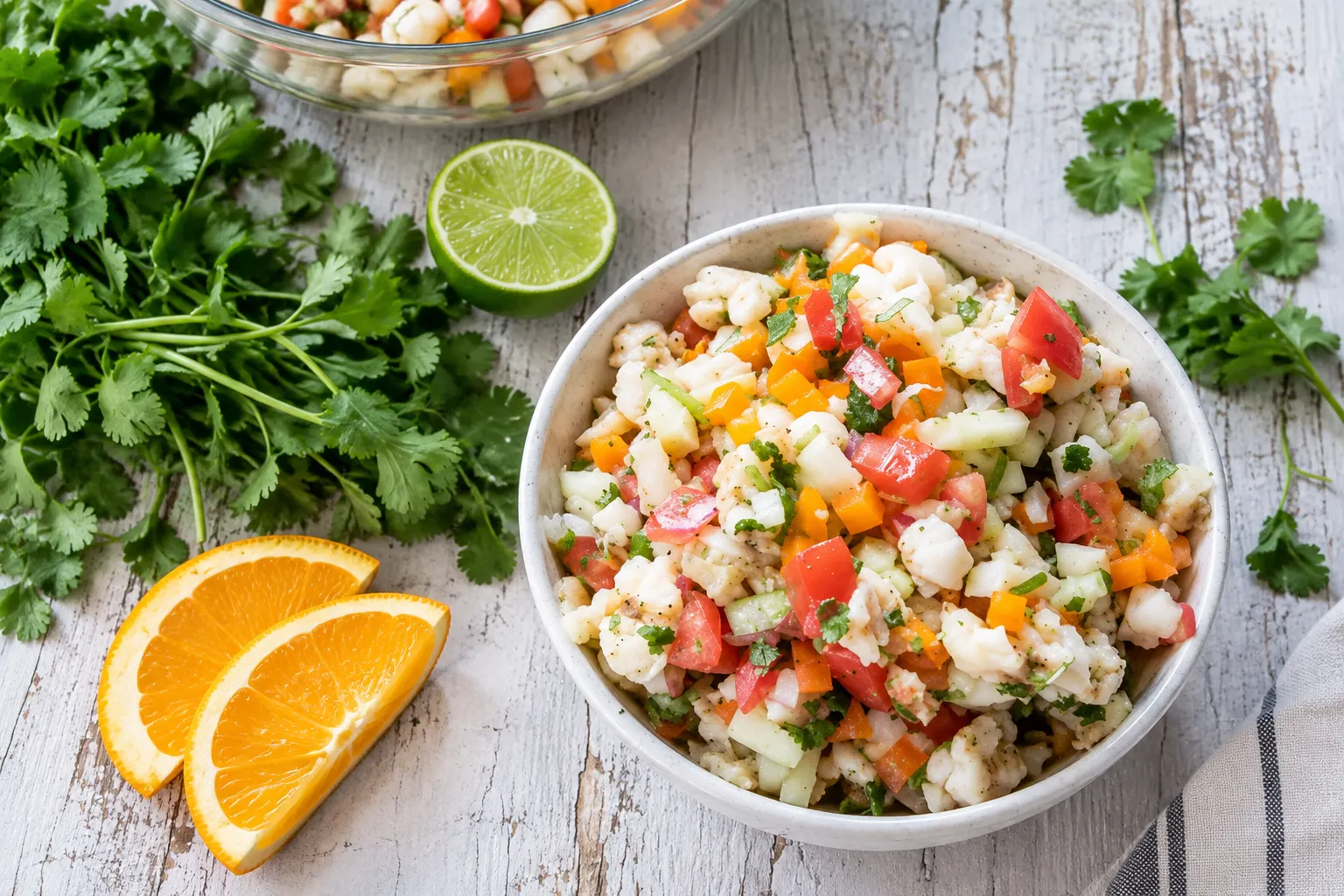

Bahamian food is not the same thing as "Caribbean food," and most visitors never find that out. Resort menus tend to serve a safe, general version of island cooking: jerk chicken, coconut shrimp, rum cocktails with paper umbrellas. Real Bahamian cuisine is something more specific, built on conch, slow-cooked stews, and a plate of peas 'n' rice that shows up at nearly every table on the island. This guide covers what to actually order, where it comes from, and how to eat the way Nassau eats.
The Story Behind Bahamian Food: African Roots, British Influence, and Atlantic Seafood
Bahamian cuisine is the product of three forces: African culinary tradition carried through the transatlantic slave trade, British colonial influence, and the sheer abundance of fresh Atlantic seafood surrounding the islands. Each left a distinct fingerprint that's still visible on a Nassau plate today.
The African influence shows up most clearly in peas 'n' rice, in the seasoning philosophy built around thyme and slow simmering, and in dishes like souse, a citrus-based stew that draws on West African stewing traditions. British colonial rule introduced corned beef, grits, and bread-making customs, which is why Fire Engine (a corned beef hash) and Johnny cake both have a place on the Bahamian table. Meanwhile, the ocean did the rest: conch became the defining ingredient not because it's exotic, but because it was everywhere, and Bahamians figured out more ways to prepare it than almost any other culture has bothered to.
Conch: The Bahamian National Dish (and How to Order It)
Conch is the undisputed centerpiece of Bahamian cuisine, a large sea snail with a firm, slightly chewy texture that tastes somewhere between shrimp and squid. It shows up across the menu in five main forms: fritters, cracked (breaded and fried), salad, scorched, and chowder.
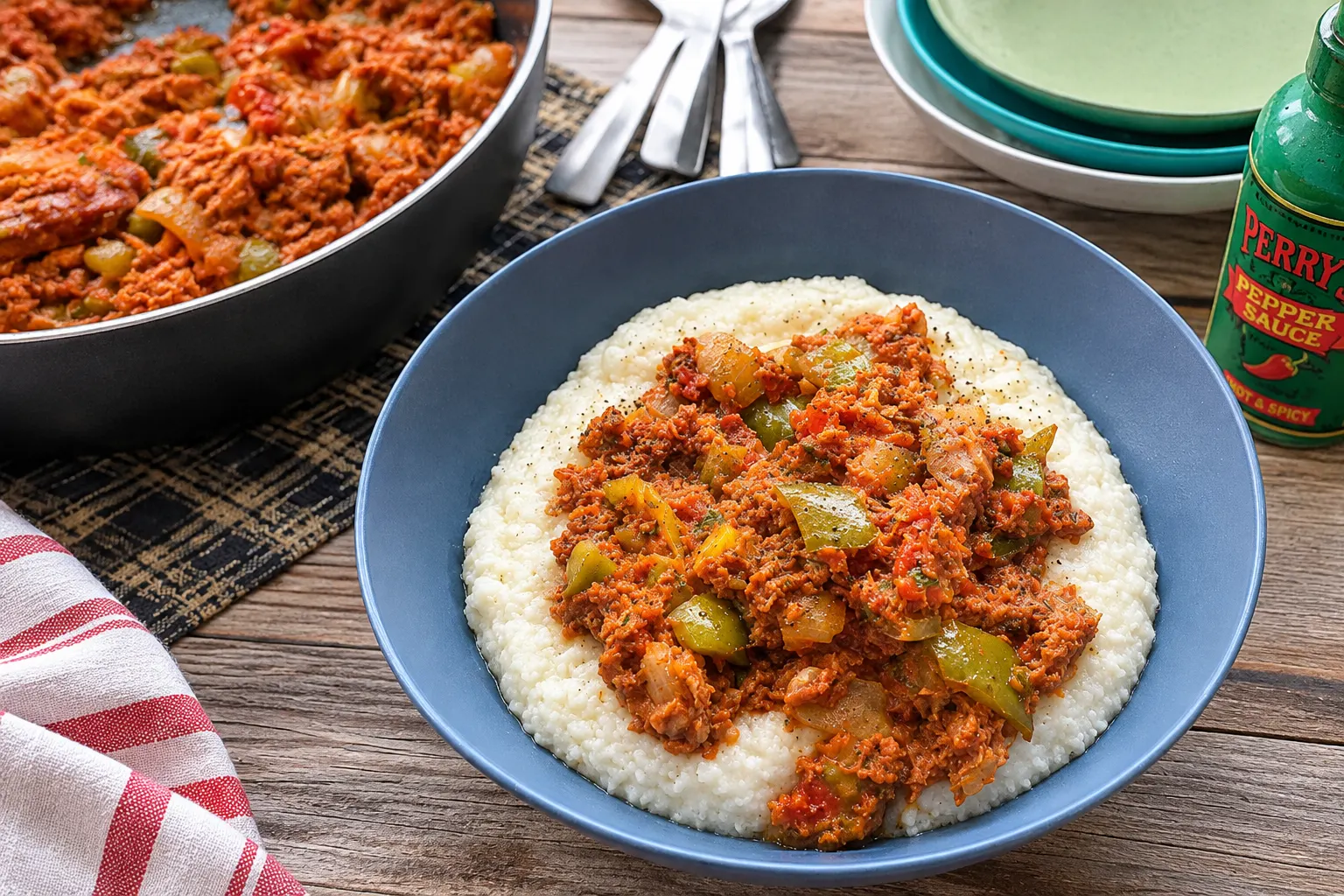
If you're new to conch, start with conch fritters or conch salad. Fritters are deep-fried and forgiving, the easiest starting point, especially for anyone with a thing for texture. Conch salad is served raw, marinated in citrus with onion, pepper, and tomato, similar in spirit to ceviche, and it's the dish most locals point to as the true test of a local food vendor and restaurant. Cracked conch, pounded thin and fried like a cutlet, is this dish's version of what a lot would consider comfort food, usually served with peas 'n' rice and coleslaw, and it's one of four ways Twisted Lime puts conch on its own menu. Scorched conch, quickly seared and dressed with citrus and pepper, and conch chowder, a tomato-based soup also on Twisted Lime's menu, are also a must try. Order at least two of these on your trip. We'd say judging Bahamian conch on a single dish is like judging Italian food on one plate of pasta.
Beyond Conch: The Essential Bahamian Dishes Every Visitor Should Try
Conch gets the attention, but there's more to the story. A handful of other dishes define what Bahamians actually eat at home and at the table with family, and skipping them means missing most of the cuisine.
Souse is the dish locals talk about with real affection: a slow-cooked citrus broth, most commonly made with chicken, though sheep tongue and pig's feet versions exist for those who grew up with them. It's peppery, tangy, and deeply comforting, the kind of dish that reads humble on paper and delivers far more flavor than the description suggests. Johnny cake, a butter-enriched bread that sits somewhere between bread and cake, is the traditional pairing for souse and boiled fish, and it's beloved across generations for good reason. Peas 'n' rice is the canonical side dish, pigeon peas simmered with thyme, tomato ketchup, and seasoning, present at virtually every local meal the way rice is present at a Chinese one. Baked mac 'n' cheese is a genuine Bahamian institution, baked firm in a pan and sliced into squares rather than scooped soft from a pot, and it consistently surprises visitors expecting the stovetop American version; Twisted Lime even bakes a cracked conch version into its own mac 'n' cheese menu. For dessert, guava duff, a steamed or rolled cake filled with native guava and finished with rum butter sauce, is the island's most distinctive sweet and worth seeking out specifically, since it doesn't travel well outside The Bahamas and rarely appears on mainland menus.
Bahamian Breakfast: The Morning Rituals Most Tourists Never Discover
Bahamian breakfast culture is one of the least discovered corners of the cuisine, and Fire Engine is the dish at the center of it: corned beef sautéed with peppers, onion, and tomato, served hot over a bed of grits. It's the kind of comfort food most tourists never encounter because it rarely makes it onto a resort breakfast buffet, yet it's exactly what a Bahamian family is likely to be eating on a Saturday morning.
Boiled fish and grits is the other breakfast staple worth knowing, often paired with Johnny cake on the side. Both dishes share a quality that runs through Bahamian cooking generally: a preference for slow, savory preparations over anything sweet or quick. A grits-forward plate isn't hard to find at our own venues either; Solemar pairs local grouper with creamy grits at weekend brunch. If your only exposure to Nassau food has been a hotel breakfast spread, ordering Fire Engine somewhere local is one of the fastest ways to understand what Bahamian cooking is actually about.
What to Drink in the Bahamas: Sky Juice, Goombay Smash & Local Favourites
Sky Juice is the unofficial national cocktail of The Bahamas: gin, coconut water, condensed milk, and a dusting of nutmeg, most commonly found at the Fish Fry rather than in a hotel bar. It's sweeter and creamier than most visitors expect from a cocktail built around gin, and it's worth trying at least once specifically at Arawak Cay, where it's made the traditional way.
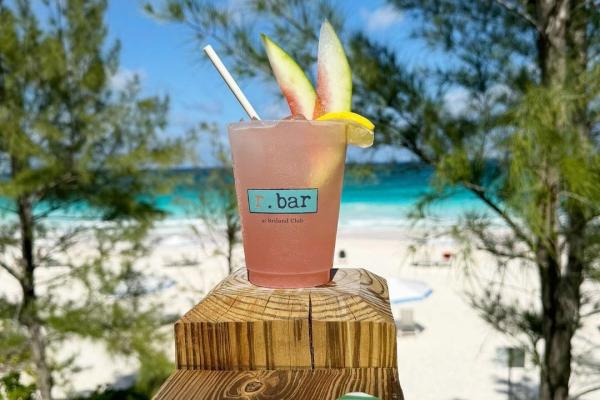
Goombay Smash, built from rum, coconut rum, and pineapple juice, is the more familiar beach cocktail, easygoing and widely available. Switcha, a lime-based lemonade served everywhere from roadside stands to sit-down restaurants, is the non-alcoholic staple worth knowing about if you're pacing yourself through a day of eating.
Tourist Food vs. Real Bahamian Cuisine: How to Eat Like a Local
The difference between tourist food and real Bahamian cuisine comes down to one signal: whether Bahamians are actually eating there. Resort restaurants tend to serve a generalized "Caribbean" menu, jerk chicken, shrimp skewers, burgers, food that could belong to any island rather than this one specifically. Real Bahamian cuisine leans more heavily on stewed and boiled preparations than most visitors expect: boiled fish, souse, pea soup, dishes that reward patience rather than speed.
The Fish Fry at Arawak Cay remains the single most accessible entry point for authentic local food in Nassau, a strip of vendors serving conch, fish, and sides the way Bahamians actually cook them. Beyond the Fish Fry, the simplest rule is to follow where the local lunch crowd goes rather than where tour buses stop, and to order peas 'n' rice and baked mac 'n' cheese as your sides instead of fries. Anyone who has spent real time in Nassau knows that the best meal of the trip is rarely the one at the resort buffet. It's the plate of stewed fish and grits eaten somewhere unremarkable-looking, ordered because that's what the table next to you was having.
Where to Experience Bahamian Cuisine in Nassau: Restaurants Worth Booking
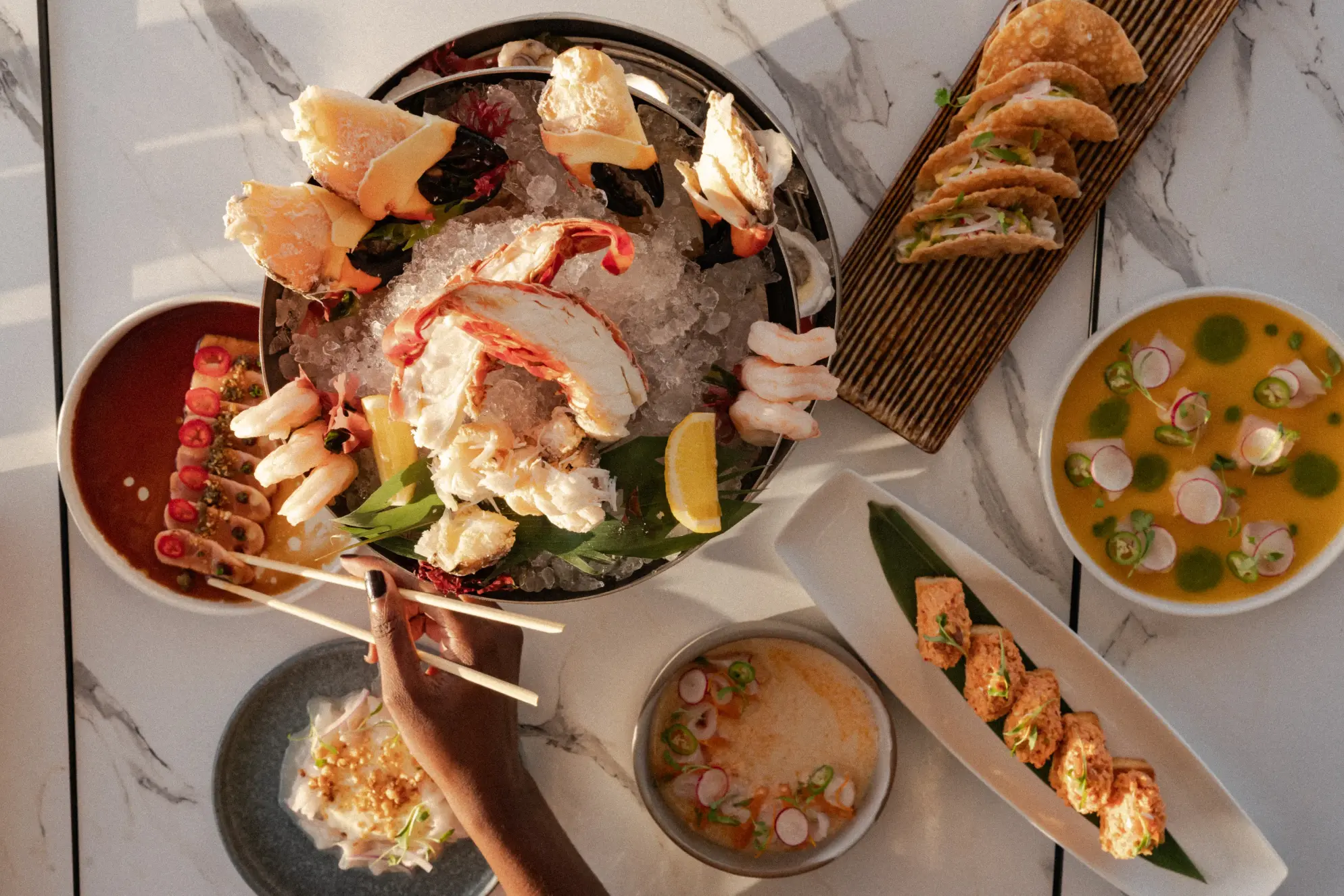
Local spots is one way to eat and experience Bahamian food in Nassau, but it's not the only one. Nassau also has a full-service dining scene where Bahamian ingredients get real craft and attention, and our venues sit at the center of it.
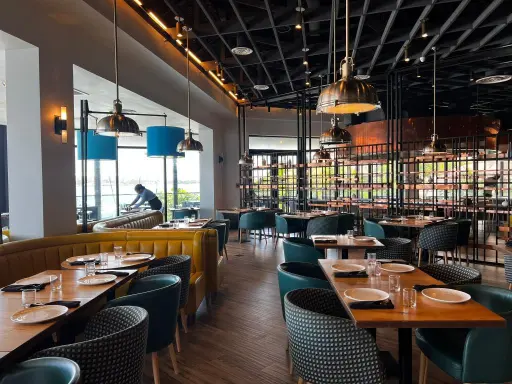
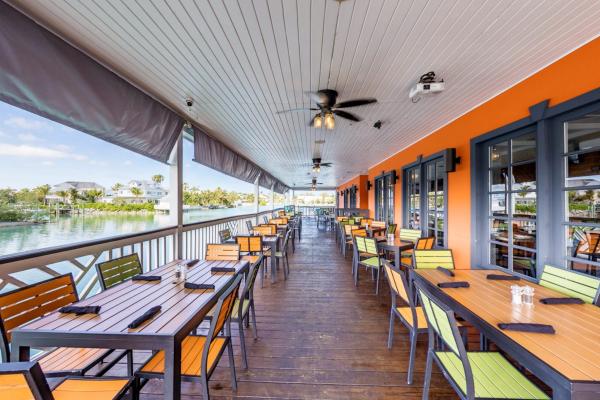
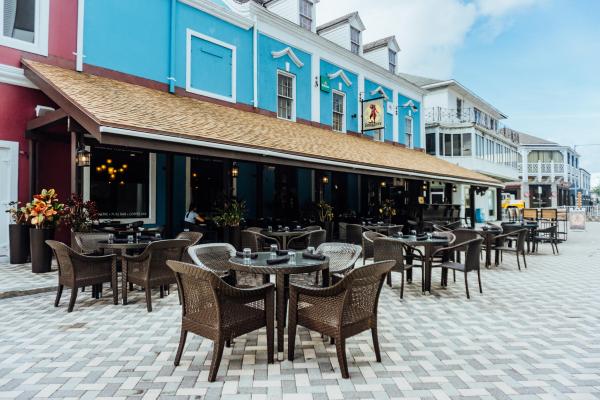
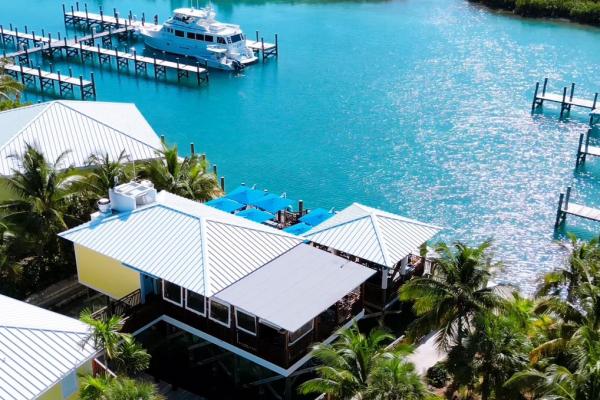
Twisted Lime, a waterfront sports bar at Sandy Port, carries the most genuinely Bahamian menu in our collection: cracked conch shows up as tacos, a burger, baked into mac 'n' cheese, and as a full dinner plate with Junkanoo Rice, sweet plantain, and coleslaw, alongside a creamy conch chowder, fresh local fried snapper, and spicy shrimp and grits. Solemar, on West Bay Street, built its reputation on fresh local seafood in a waterfront setting, with dishes like Grouper N' Grits showing up on its weekend brunch menu alongside the sunset views. Meze Grill runs a Mediterranean steakhouse menu, but its local touches are real: wild-caught snapper filet and a Nassau Roll built around conch tempura, both worth ordering if you want a Bahamian ingredient treated with a different kind of technique. For something more theatrical, Latitudes on the Nassau Harbor runs a full Teppanyaki experience, premium meats and fresh seafood prepared live at the table by trained chefs, listed among our curated dining experiences.
Between the Fish Fry and Nassau's elevated dining rooms, there's a full spectrum of ways to eat Bahamian food properly, and neither end of that spectrum should be skipped. For a broader look at where to eat across the island beyond this guide, our best restaurants in Nassau guide is a useful next stop. Ready to experience Bahamian flavors at their finest? Reserve a table and taste the difference for yourself.