

After a funeral, many families gather to share a meal before everyone returns home. That gathering is known as a repass, although you'll also see it called a repast. The two terms are often used interchangeably, with repast being the older word for a meal and repass becoming the more common name for the gathering itself.
Planning one isn't always straightforward. Decisions about the venue, guest list, food, and timing often need to be made within a matter of days, and they're usually being made by people who have far more important things on their minds.
This guide walks through each step, from choosing the right venue to deciding what to serve, so the day feels welcoming without becoming another source of stress.
How to Plan a Repass Without Overcomplicating the Day
When you're planning a repass, it's easy to think about the food first. For many families, though, it helps to begin with the practical details. Once you know where you'll be gathering, roughly how many people to expect, and how the day will unfold after the service, the menu becomes much easier to plan.
Before choosing food, answer these questions:
- Where is the funeral or memorial service?
- Is there a burial or graveside service afterward?
- How far will guests need to travel?
- Are elderly relatives or guests with mobility concerns attending?
- Will children be there?
- Is the gathering open to everyone or limited to close family and friends?
- Who can answer questions on the day so the immediate family doesn't have to?
There's no single approach to the guest list. Some families invite everyone who attended the service, while others keep the gathering smaller for close relatives, friends, and a few invited guests. Whatever feels right for your family is the right choice. If the repass isn't open to everyone, make that clear so guests know what to expect.
A Simple Planning Timeline
A repass is often planned around the funeral schedule, not the other way around. Some families may have several days to arrange the meal, while others may only have a day or two, especially when faith traditions call for burial soon after death.
Use this as a flexible order of decisions rather than a strict calendar.
| Planning step | What to decide | Why it helps |
|---|---|---|
| Once the service time is known | Decide whether the repass will happen immediately after the service, after the burial, or later in the day. | The timing shapes the venue, menu, and how much food you'll need. |
| As soon as you have a rough guest count | Choose between a home, church hall, restaurant, private venue, or catered drop-off meal. | The space determines what kind of service is realistic. |
| After the venue is chosen | Confirm whether you need pickup catering, drop-off catering, or full-service support. | This helps avoid leaving setup, serving, and cleanup to close family members. |
| When you're choosing the menu | Keep it simple and suited to the time of day. | A light afternoon spread may be enough after a short service, while a full meal may make more sense if people have traveled or the gathering falls over lunch or dinner. |
| Before the day of the funeral, if possible | Confirm the closest guest estimate, delivery time, setup needs, and one contact person. | It gives everyone one clear plan to follow when the day arrives. |
The goal isn't to follow a perfect timeline. It's to settle the most important details early enough that you have fewer decisions to carry on the day itself.
Choosing the Right Venue
A home can feel personal, but it also leaves the family managing parking, bathrooms, cleanup, serving utensils, and trash bags, all while guests arrive at different times. A church hall can work well for a larger repass, especially when the family has community support.
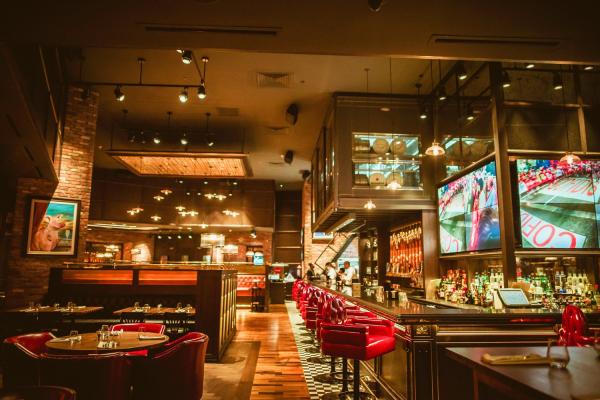
A restaurant or private venue is often easier when the family wants seating, service, timing, food, and cleanup handled by someone else.
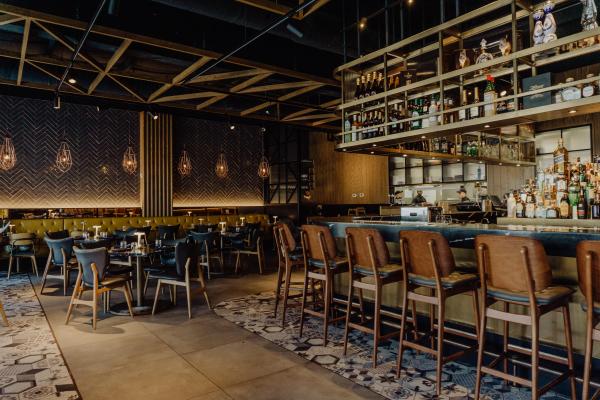
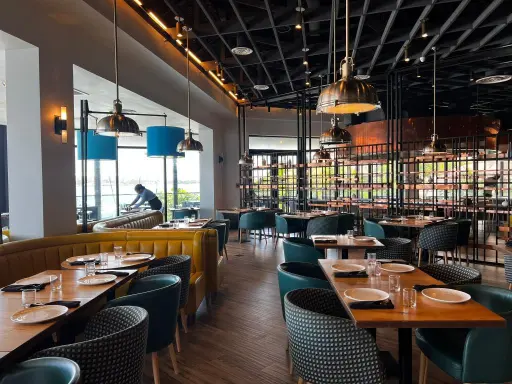
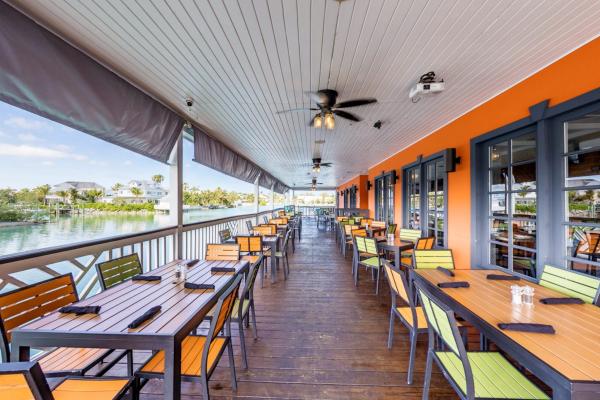
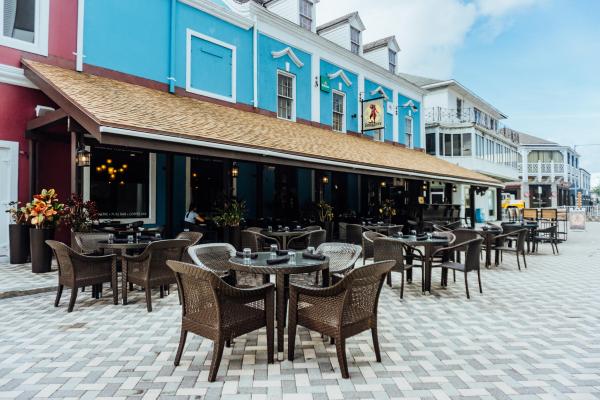
In Nassau, Latitudes offers a harborfront setting in central Nassau, while Solemar gives families a seaside option near the airport, Old Fort Bay, Lyford Cay, and western New Providence. OIA on Cable Beach offers outdoor oceanfront dining and upscale indoor ambiance, which may suit families looking for a quieter restaurant setting.
If the gathering will be larger, compare Titan's venue hire options before settling the menu. Solemar's venue offers four spaces and capacity up to 400 guests, which is useful when a family needs more than a standard restaurant table.
What to Look for in a Venue
Once you've narrowed down a few venues, take a closer look at the details that can make the gathering more comfortable for everyone attending:
- Easy access from the church, funeral home, cemetery, or memorial location
- Enough parking or simple drop-off access
- Comfortable seating for older guests
- Air conditioning, especially for afternoon gatherings
- Bathrooms that are easy to find
- A layout that lets people greet the family without crowding them
- Space for children if families will be bringing them
- A quiet area where close relatives can sit if they need a moment
A venue that works well in practice means there's less to think about once everyone arrives. Instead of worrying about seating, parking, or where people should go, the focus can stay where it belongs.
What to Serve at a Repass: Traditional and Bahamian Menu Ideas
Choosing what to serve at a repass isn't about putting together an impressive menu. It's about offering a meal that feels familiar, welcoming, and easy for people to share after the funeral service.
Most repasses are served buffet-style, allowing guests to eat as they arrive from the service or burial and spend time together without the formality of a sit-down meal. The menu doesn't need to be extensive. A few well-prepared dishes are often more meaningful than a long list of options.
Across the U.S., many families choose comforting favorites. In The Bahamas, the menu often reflects the same idea while drawing on local traditions and flavors because they're familiar, generous, and naturally suited to sharing with family and friends. If you're interested in the history behind many of these dishes, the Grand Bahama Museum's guide to Bahamian food traditions provides a good overview of how they became part of everyday island life.
Rather than trying to serve everything, build a menu that reflects the family and the people gathering around the table.
| Menu style | Example dishes |
|---|---|
| Traditional comfort meal | Baked chicken, macaroni and cheese, rice, vegetables, salad, rolls, cake |
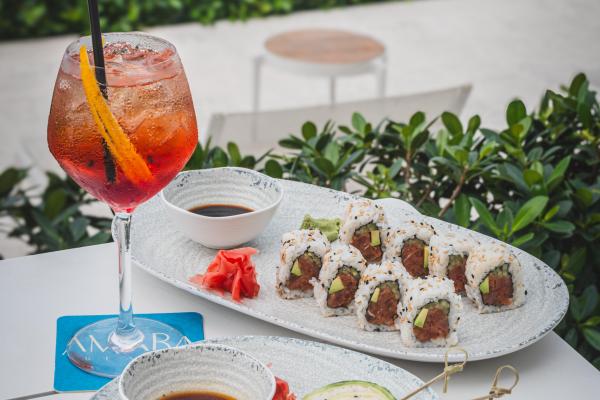
| Bahamian-inspired meal | Peas 'n' rice, baked chicken or fried fish, conch fritters, johnny cake, plantains, guava duff or rum cake |
| Lighter afternoon gathering | Sandwich platters, fresh fruit, pastries, coffee, tea, lemonade, and water |
One advantage of working with an experienced catering team is that the menu doesn't have to fit into a standard package. Titan Hospitality Group caters a wide range of private events across Nassau, so families can choose a simple buffet, seafood-focused dishes inspired by restaurants like Solemar, or a menu built around their preferences. The focus isn't on recreating a restaurant experience. It's on serving food that's appropriate for the occasion and allows the family to spend time with loved ones instead of managing the meal.
Repass Etiquette for Hosts and Guests
A repass is usually much less formal than the funeral service itself. It's a time for people to share a meal, offer condolences, and spend time together before everyone heads home. Some gatherings are quiet and reflective, while others naturally become filled with conversation and stories about the person who has passed away.
If you're organizing the repass, remember that you don't have to carry the day on your own. If someone offers to help greet guests, refill drinks, or keep an eye on the buffet, let them. That leaves you free to spend time with your family instead of thinking about logistics.
For guests, the etiquette is simple. Offer your condolences, be respectful of the family's wishes, and follow their lead. Some families begin with a prayer or a few words before the meal, while others prefer to keep the gathering informal. Unless the family chooses to talk about it, it's best to avoid difficult topics such as the circumstances of the death or family disagreements.
For more ideas on planning a meaningful gathering, AARP's memorial service planning guide includes practical suggestions for families organizing a memorial service or reception.
Helpful Etiquette Reminders
- Don't expect the closest family members to greet every guest individually.
- Don't take offense if the family is quiet or tired.
- Keep stories appropriate for everyone present.
- Let children step away if the room feels heavy.
- Don't turn the meal into a debate about funeral decisions.
- Offer practical help, such as packing food, guiding guests, or driving relatives home.
Good repass etiquette leaves people feeling cared for, not managed.
How Much Does a Repass Cost?
Repass costs vary, but a rough range helps when you're trying to make decisions quickly. A simple pickup or drop-off meal will usually cost less than a full-service catered gathering, and a meal at a restaurant or private venue will be priced differently again.
As a loose planning guide, many catered buffet-style meals start somewhere around $25 to $45 per person, before extras such as beverages, staff, rentals, service charges, VAT, or venue fees. A fuller setup with more menu choices, on-site staff, drinks, and private space can cost more.
For a Bahamas-based comparison, Fine Foods Bahamas lists a traditional Bahamian catering menu at $1,250 for 30 people, including items such as chicken, snapper fingers, peas and rice, baked macaroni, coleslaw, and plantain. That works out to about $42 per person before any extra charges or venue-related costs.
Guest count is usually the first number to settle, even if it's only an estimate. Food for 25 close relatives is a very different plan from food for 80 people after a larger service. Once you have a rough count, you can decide whether pickup trays, drop-off catering, a buffet, or full-service support makes the most sense.
Questions to Ask Before Booking
- Is the quote based on an estimated guest count or a final number?
- What's included in the price?
- Are drinks included?
- Are plates, cutlery, napkins, serving utensils, and cups included?
- Does the price include delivery, setup, and cleanup?
- Will staff be there during the gathering?
- Are venue fees, service charges, taxes, gratuity, or VAT included?
- When do you need the final guest count?
- Can leftover food be packed for the family?
A clear quote won't make the day easy, but it can make this part less uncertain. That matters when there are already enough arrangements to make.
Should You Hire a Caterer for a Repass?
You don't need a caterer for every gathering. A small meal at home with close family can be meaningful and manageable.
Funeral repast catering becomes useful when the guest count is uncertain, the group is larger, the family wants hot food, or nobody has the energy to coordinate setup and cleanup. It also helps when relatives are flying in, the schedule is tight, or older guests need comfortable seating and quick service.
Before booking funeral repast catering, ask whether pickup, drop-off, or full service is available. Ask how many guests the menu can serve, what dishes hold best, whether beverages and serviceware are included, when the final headcount is due, and who handles setup and cleanup.
The right provider should make the day feel calmer, not more complicated. Funeral repast catering should fit the room, the schedule, and the tone of the family.
Small Repass Details That Are Easy to Overlook
When arrangements are happening quickly, the small details are often the easiest ones to miss.
Families may experience additional stress when they:
- Order food before confirming a realistic guest count
- Forget drinks, ice, coffee, and water
- Choose a room that's too small for people to move around comfortably
- Skip vegetarian or allergy-friendly options
- Leave setup to volunteers who are also attending the funeral
- Forget serving utensils, trash bags, takeaway containers, and signage
- Choose food that doesn't hold well
- Plan a formal plated meal when guests will arrive at different times
For a repass, steady planning matters more than a complicated menu.
Repass Catering in Nassau with Titan Hospitality Group
Planning a repass is rarely something families have much time to prepare for. There may be a service to arrange, relatives to call, guests to consider, and a meal to organize, all within a few difficult days. Getting help with the food and setting can make that part of the day feel less heavy.
Titan Hospitality Group offers funeral repast catering throughout Nassau and New Providence, with pickup, drop-off, and full-service catering options available. Families who need a place to gather can also explore Titan's restaurant and venue options, depending on the size of the group and the tone they want for the meal.
You don't need to have every detail figured out before reaching out. If you know the date, approximate guest count, service location, and any dishes or traditions that matter to your family, contact Titan Hospitality Group and the team can help you work through the next steps.